
Bhubaneswar: The Odisha government’s proposal to distribute copies of the Lakshmi Puran to women across the state has sparked a public debate, with supporters describing it as an initiative to promote Odia heritage, while critics have questioned its implications for public spending, literacy, and the role of the state in promoting religious literature.
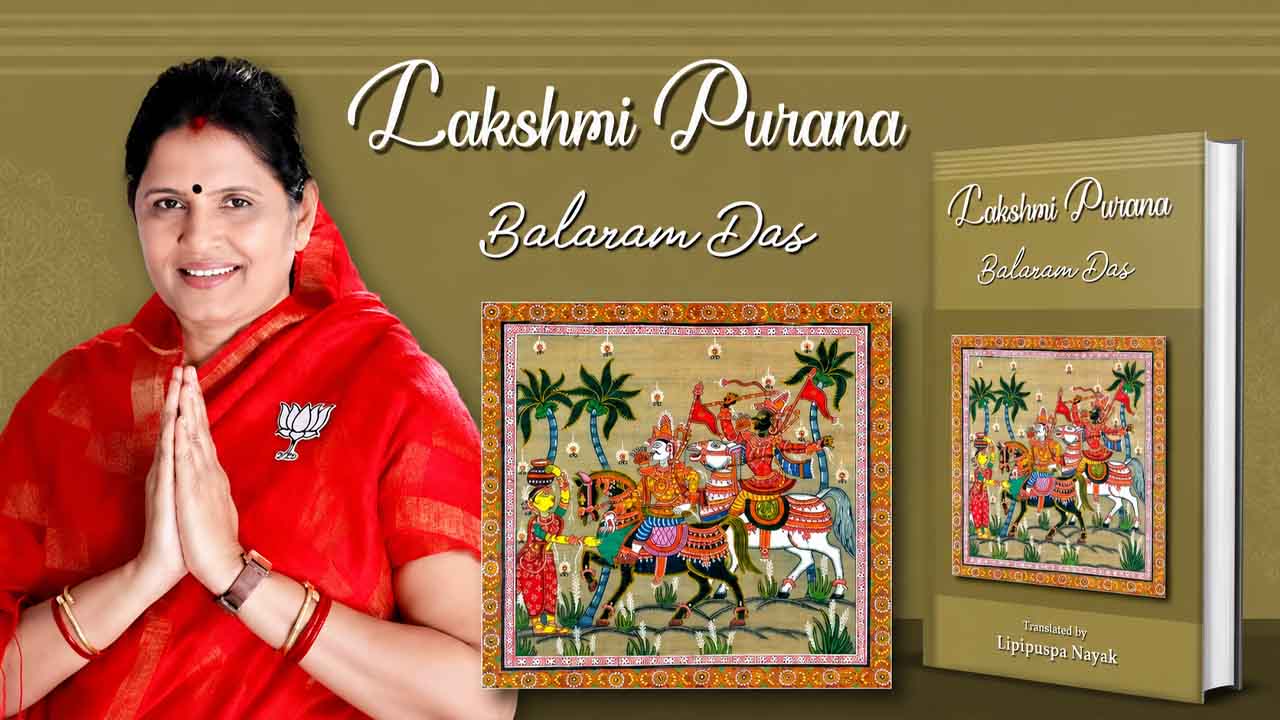
Deputy Chief Minister Pravati Parida has announced the initiative, which aims to distribute around 30 lakh copies of the Lakshmi Puran, a celebrated 15th-century Odia literary work attributed to Balarama Dasa. According to the government, the programme is intended to preserve and promote Odisha’s rich cultural and literary traditions while encouraging greater awareness of the state’s heritage.
However, the proposal has also drawn criticism from academics, social commentators and opposition voices. Some have argued that a significant number of women in Odisha remain illiterate, and they question whether public resources could be better directed toward literacy programmes, education and other welfare initiatives. Others have raised concerns about the overall cost of printing and distributing millions of copies and have called for transparency in the implementation of the scheme.
The discussion has also expanded into broader questions of culture and identity. Some critics argue that Odisha has a diverse religious and social history, including traditions such as Mahima Dharma, and caution against policies they believe may promote a single ideological interpretation of the state’s heritage. They have also expressed concern that cultural traditions should be preserved in their original form without political influence.
Supporters of the initiative reject these criticisms, maintaining that the Lakshmi Puran is one of Odisha’s most important literary and cultural works and that distributing it helps preserve the state’s language, history and traditions. They argue that the programme is intended to celebrate Odia culture rather than promote any particular political ideology.
The debate has also highlighted wider questions about the role of governments in supporting cultural and religious literature. While some believe such initiatives strengthen cultural identity, others argue that governments should focus on inclusive educational and social development programmes that benefit all sections of society.
As public discussion continues, the implementation of the scheme and its reception among citizens are expected to remain closely watched. Whether the initiative is ultimately viewed as a cultural preservation effort or as a subject of political debate will likely depend on how it is carried out and how different sections of society respond.
Disclaimer: This article presents the main arguments surrounding the proposed initiative based on publicly reported positions and ongoing public debate. The views expressed by supporters and critics are attributed to those groups and do not represent the views of this publication.